
29
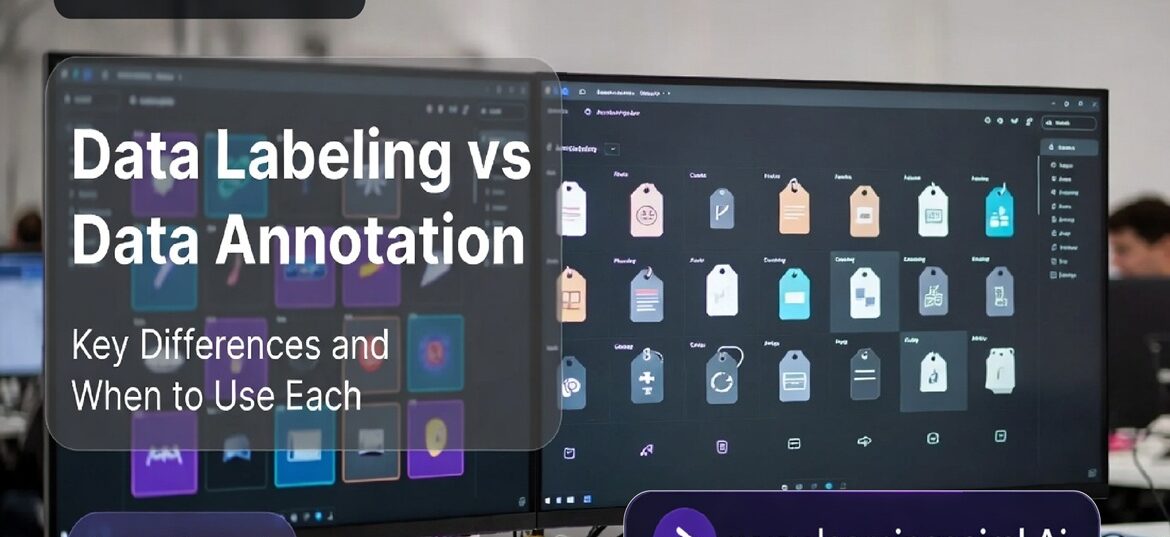
SepData labeling and data annotation are often used interchangeably, but they can serve different purposes in an AI training pipeline. Learn their key differences, techniques, applications, and when your project needs each.
15
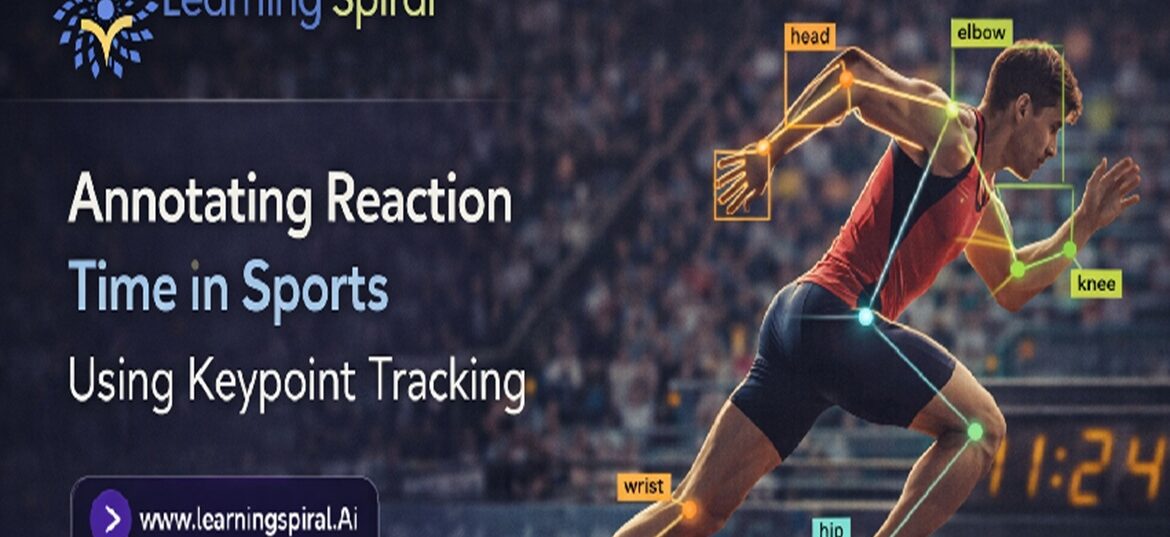
SepIn elite sport, the difference between reacting in time and reacting too late can be measured in milliseconds. A goalkeeper responding to a penalty kick, a cricket batter picking up the ball after release, a sprinter leaving the blocks, or a tennis player returning a fast serve all depend on one critical capability: reaction time. For coaches[…]

07
SepAutonomous vehicles must interpret pedestrians, lanes, vehicles, signals and unexpected road events in milliseconds. Discover the toughest image annotation challenges behind autonomous driving datasets—and the practical techniques that help AI perception models become safer and more reliable.

02
SepHuman in the Loop brings human judgment into AI training and decision-making. Learn how HITL improves data quality, manages edge cases and builds more reliable AI systems.

02
SepImage annotation helps robots identify objects, understand environments and make informed decisions. Explore its methods, applications, challenges and role in building reliable robotic vision systems.