
29
SepData Labeling vs Data Annotation: Key Differences, Real Use Cases & Which One Your AI Project Needs
Data labeling and data annotation are often used interchangeably, but they can serve different purposes in an AI training pipeline. Learn their key differences, techniques, applications, and when your project needs each.

15
SepEvery Millisecond Counts: How Keypoint Tracking Measures Reaction Time in Sports AI
In elite sport, the difference between reacting in time and reacting too late can be measured in milliseconds. A[…]
07
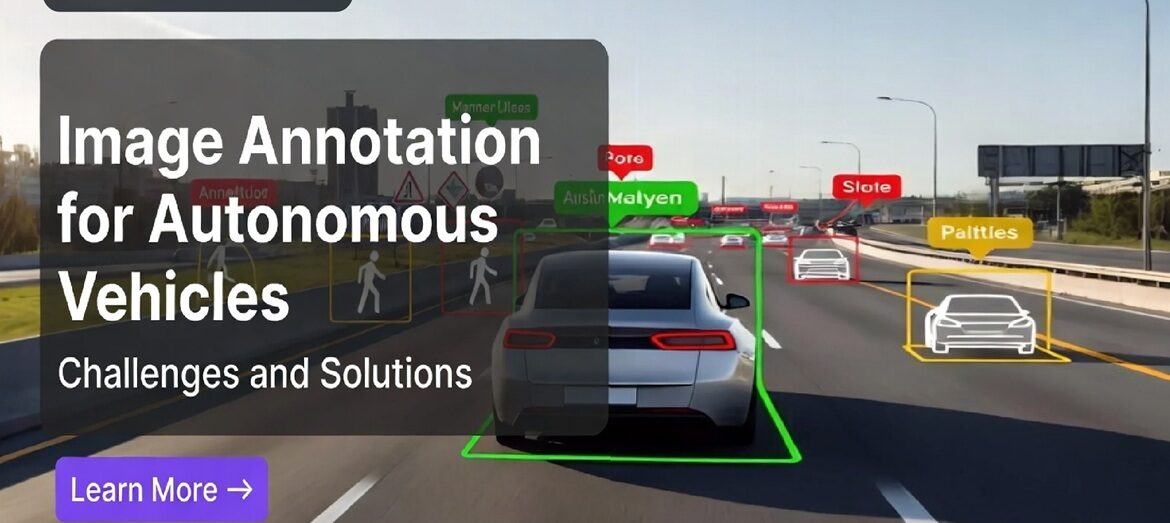
SepImage Annotation for Autonomous Vehicles: How Better Training Data Prevents Costly AI Errors
Autonomous vehicles must interpret pedestrians, lanes, vehicles, signals and unexpected road events in milliseconds. Discover the toughest image annotation challenges behind autonomous driving datasets—and the practical techniques that help AI perception models become safer and more reliable.

02
SepEgocentric Data: The Secret Ingredient Behind Physical AI
Human in the Loop brings human judgment into AI training and decision-making. Learn how HITL improves data quality, manages edge cases and builds more reliable AI systems.

02
SepImage Annotation for Robotics: Teaching Machines to See and Act
Image annotation helps robots identify objects, understand environments and make informed decisions. Explore its methods, applications, challenges and role in building reliable robotic vision systems.

20
AugFrom Eyes to Algorithms: The Egocentric Data Revolution
Imagine teaching a robot to make coffee — not by showing it a video from across the room, but[…]