17
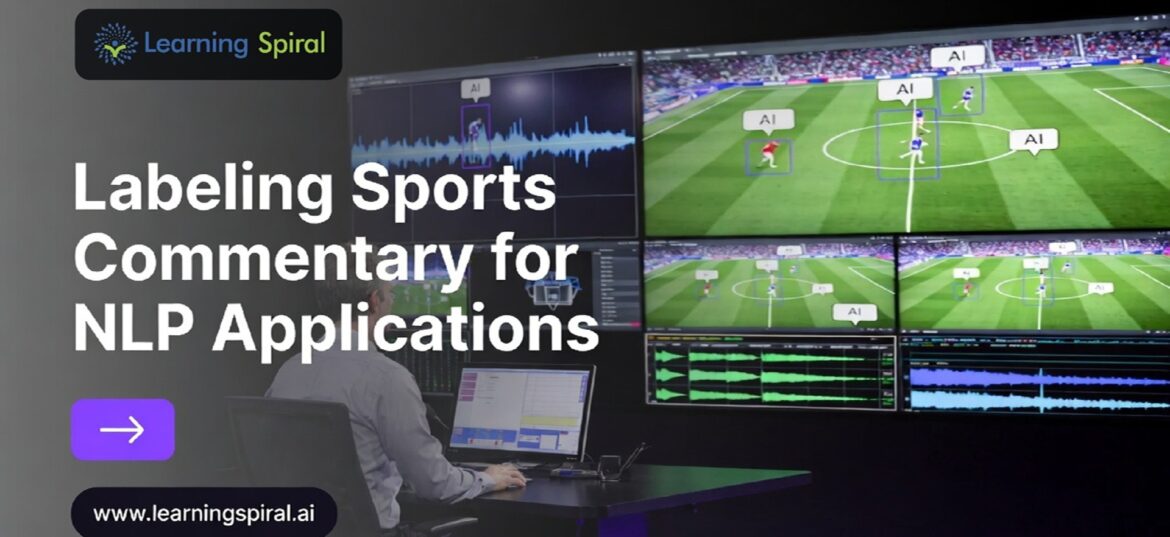
NovCan AI understand the excitement behind a goal, the controversy of a referee’s decision, or the emotion of a match-winning moment? Discover how sports commentary annotation turns spoken and written match coverage into structured NLP training data.
17
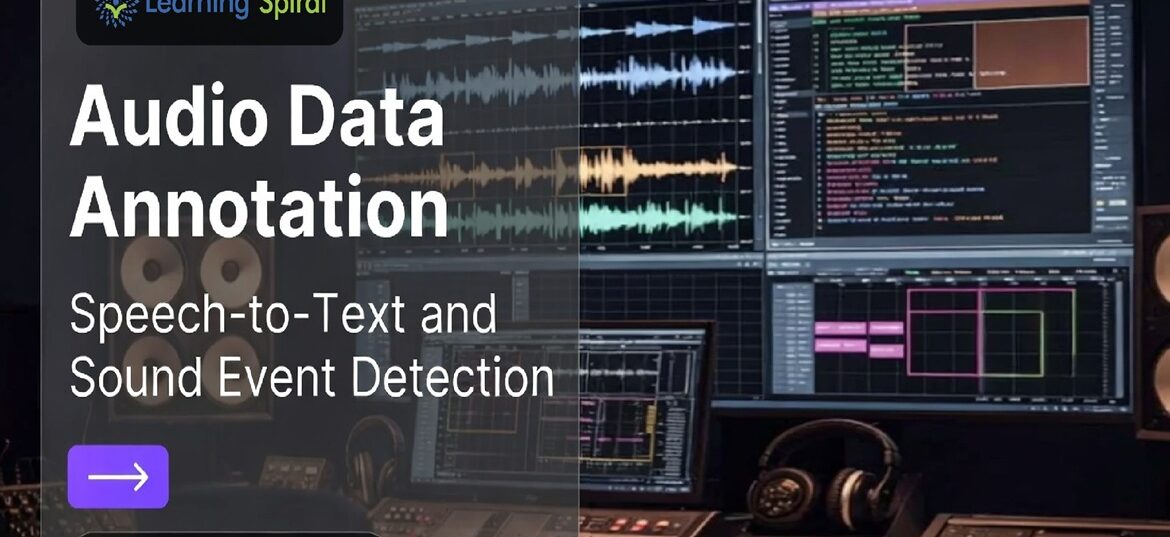
NovHow does AI recognize spoken words, background sounds, and real-world audio events? Discover how speech-to-text and sound event annotation help build smarter, more reliable AI systems.

17
NovAccurate AI starts with accurately labeled data. Discover eight essential data annotation steps, from dataset preparation and annotation guidelines to human review and quality assurance, that help machine learning teams build more reliable AI models.
16
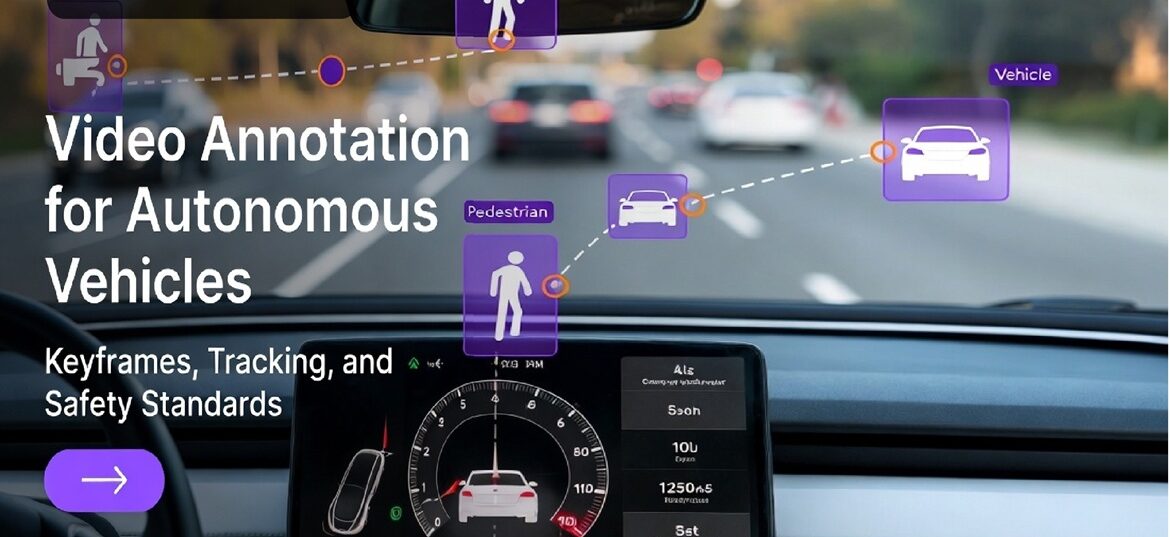
NovExplore how keyframe selection, object tracking, video annotation, and safety-focused data labeling help build more reliable perception datasets for autonomous driving AI.

16
OctDiscover the seven essential steps for preparing, annotating, validating and managing machine learning datasets. Learn how data quality, expert labeling and human review help create reliable AI training data.
08
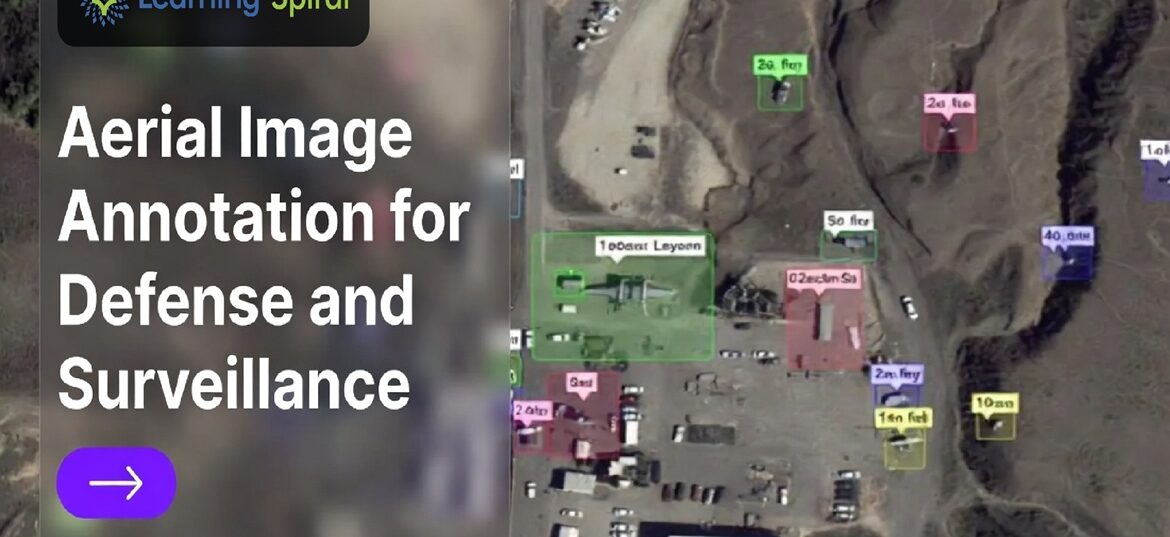
JulDefense and surveillance programs increasingly run on aerial imagery, yet most computer vision models still stumble on tiny, cluttered, top-down objects. The gap usually isn’t the algorithm — it’s the annotation pipeline underneath it. Here’s how disciplined aerial image annotation closes that gap.

29
AugIn the age of AI-driven healthcare, Medical Natural Language Processing (NLP) is revolutionizing how clinical data is interpreted. At the core of this innovation lies a powerful process: medical annotation of clinical notes. Doctors, hospitals, and researchers generate thousands of handwritten or typed clinical notes daily — each packed with valuable insights about patient care, symptoms, diagnoses,[…]