
23
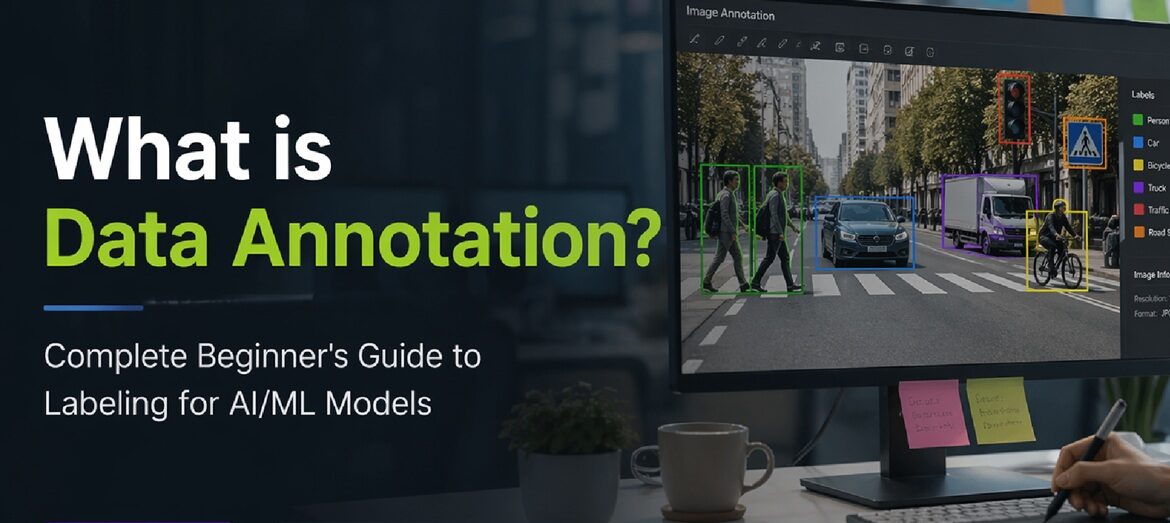
JulWhat Is Data Annotation? A Beginner’s Guide to AI Labeling
AI models often fail not because the algorithm is weak, but because the training data is incomplete, inconsistent or incorrectly labeled. Data annotation converts raw images, videos, text, audio and sensor data into structured examples that help machine learning systems understand real-world information accurately.
08
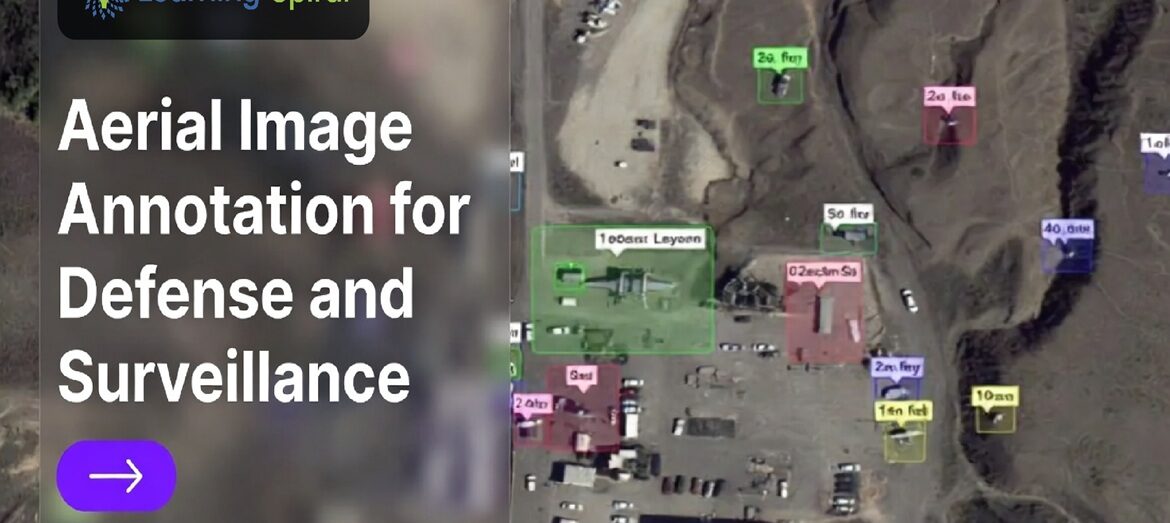
JulAerial Image Annotation for Defense and Surveillance: A Practical Guide
Defense and surveillance programs increasingly run on aerial imagery, yet most computer vision models still stumble on tiny, cluttered, top-down objects. The gap usually isn’t the algorithm — it’s the annotation pipeline underneath it. Here’s how disciplined aerial image annotation closes that gap.

10
JunAnnotating Pose Estimation Data for Better Athlete Performance Insights
Athlete performance analysis depends on more than cameras and sensors. Without accurately annotated pose estimation data, AI models struggle to deliver meaningful insights. Discover how high-quality annotation helps transform movement data into actionable performance intelligence.

01
JunHow Audio Annotation Is Powering the Next Generation of Smart Home Devices
Smart home devices are only as intelligent as the data that trains them. As ambient sound detection, wake words, and environmental audio become critical AI inputs, the accuracy of audio annotation is no longer a back-end concern — it is the direct driver of product reliability and user trust.
28
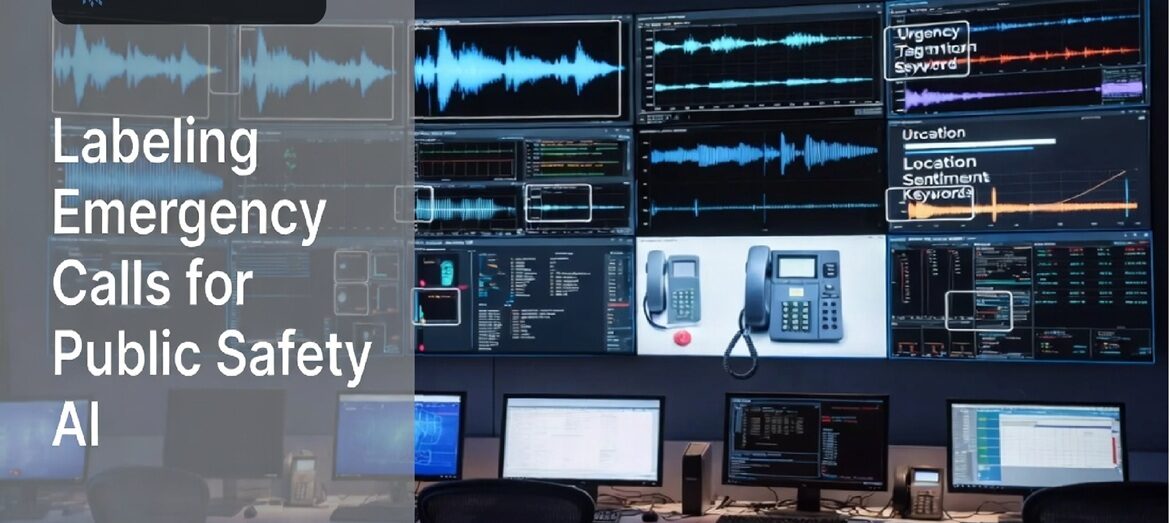
MayHow Labeling Emergency Calls Is Making Public Safety AI More Reliable
Every second counts when a 911 call comes in — but can AI accurately understand urgency, dialect, and distress? Precise audio annotation of emergency calls is becoming critical infrastructure for reliable public safety AI. Here’s why the quality of your training data is the difference that saves lives.
28
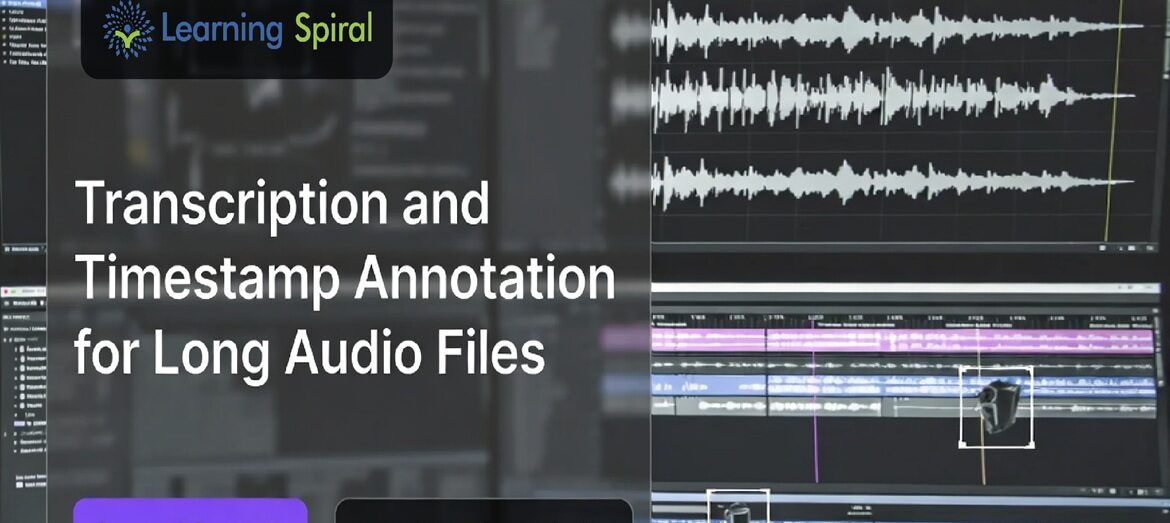
MayHow Transcription and Timestamp Annotation Unlocks the True Power of Long Audio Files for AI
Long audio files hold tremendous value—but without precise transcription and timestamp annotation, they remain untapped for AI systems. As speech and NLP models grow more sophisticated, the quality of audio labeling becomes the deciding factor between a model that understands context and one that simply guesses.