
The world’s population ranging over 8 billion in number is steadily growing, placing immense pressure on our agricultural systems. To meet the rising demand, we need to embrace innovation and leverage technology. This is where precision agriculture, powered by data annotation, emerges as a game-changer.
Precision agriculture refers to the use of data-driven techniques to improve farming practices. Instead of using broad-spectrum approaches, precision agriculture focuses on targeted interventions based on specific field conditions. This helps farmers optimize crop yields and minimize waste.
Data annotation plays a crucial role in this by providing the foundation for training the powerful algorithms that drive precision agriculture solutions.
How Data Annotation Fuels Precision Agriculture
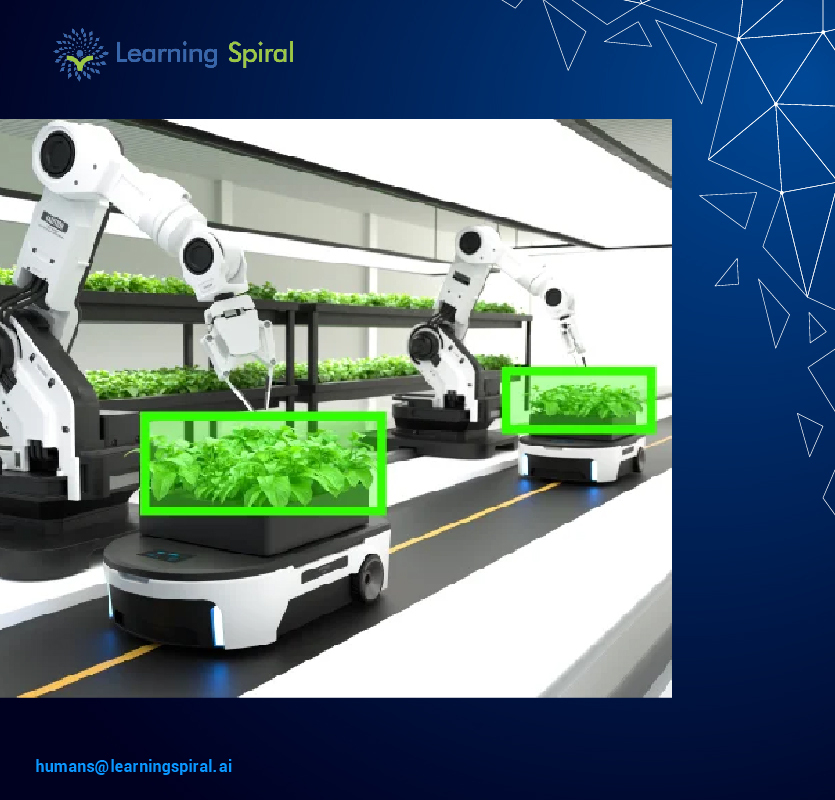
Data annotation involves meticulously labeling data, like images or sensor readings, with relevant information. In the context of agriculture, this could involve tasks like:
- Identifying crops and weeds:
Annotators meticulously label images to differentiate between crops and unwanted weeds. This data empowers AI models to distinguish them in real-time, enabling targeted herbicide application, minimizing waste, and protecting crops.
- Detecting plant diseases:
Images are annotated to pinpoint signs of specific diseases. This allows AI to analyze field data and diagnose problems early on, facilitating timely interventions to minimize crop loss.
- Monitoring crop health:
Data annotation helps label images to assess factors like nutrient deficiencies or water stress. AI algorithms trained on such data can provide insights into crop health, enabling farmers to optimize irrigation and fertilization practices.
- Yield prediction:
Annotators label data points related to weather patterns, soil conditions, and historical yields. AI models leverage this data to predict future harvests, allowing farmers to plan resource allocation and market strategies more effectively.
Benefits of Precision Agriculture through Data Annotation
By enabling AI-powered solutions, data annotation unlocks a multitude of benefits for the agricultural sector:
- Increased productivity: Precise application of resources like water, fertilizers, and pesticides leads to healthier crops and improved yields.
- Reduced environmental impact: Targeted interventions minimize resource waste and environmental pollution associated with traditional agricultural practices.
- Enhanced decision-making: Data-driven insights empower farmers to make informed decisions about resource allocation, pest control, and harvesting, optimizing farm management.
- Improved resource management: Precision agriculture allows for efficient utilization of water, fertilizers, and other vital resources, leading to cost savings for farmers.
- Sustainability: By promoting efficient resource use and minimizing environmental impact, data annotation contributes to a more sustainable agricultural future.
Challenges and Considerations
While data annotation holds immense promise, there are challenges to address: - Data quality and quantity: Training effective AI models requires vast amounts of high-quality, well-annotated data. Gathering and annotating such data can be a complex and resource-intensive process.
- Accessibility and affordability: Small and medium-scale farmers may lack the resources or expertise to implement data annotation-driven solutions.
- Data privacy concerns: As agricultural data becomes increasingly valuable, ensuring data privacy and security throughout the annotation process is crucial.
Conclusion
Overcoming challenges in agriculture is possible with the help of advancements in data annotation technology and a focus on innovation. Collaboration between researchers, data annotation specialists, and agricultural stakeholders is key in achieving this goal. By working together, we can create a bright future for the industry.
In conclusion, data annotation is poised to be a transformative force in agriculture. By enabling AI-powered precision farming, it has the potential to revolutionize the way we grow food, ensuring a more productive, sustainable, and resource-efficient future for agriculture.