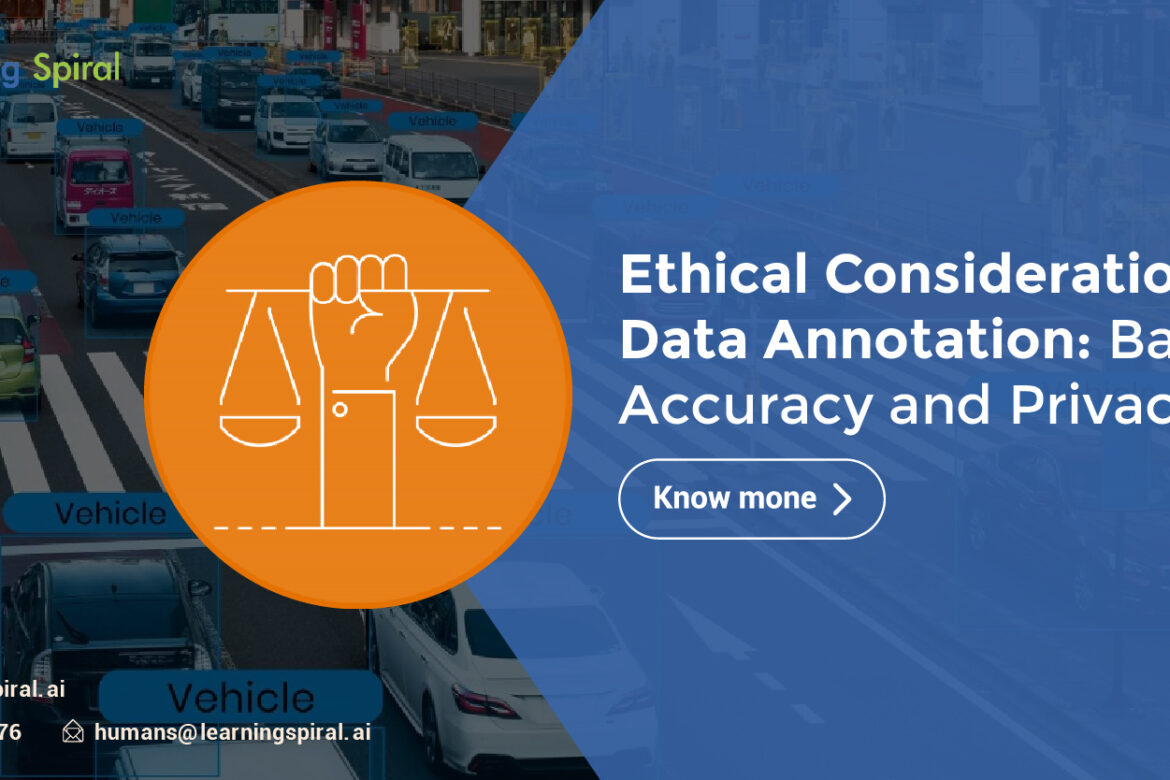
In the ever-evolving field of AI and machine learning, data annotation plays a pivotal role in training algorithms to make accurate predictions. However, as we advance in data labeling practices, ethical considerations surrounding accuracy and privacy are becoming increasingly crucial.
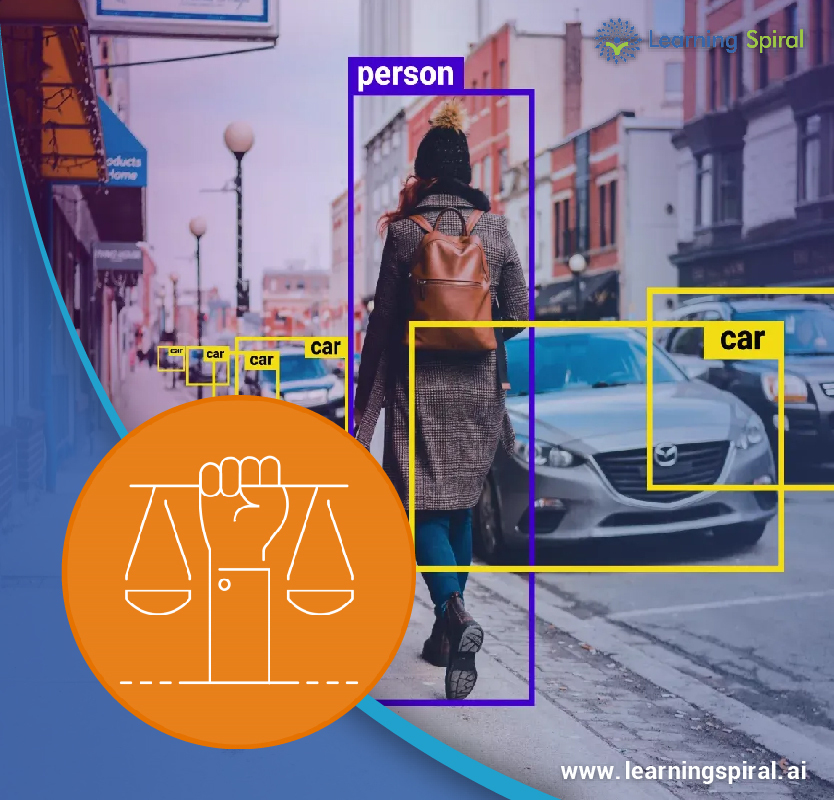
Balancing Accuracy and Privacy
At Learning Spiral AI, we understand that the quest for high-quality data must be matched with stringent privacy measures. Accurate data annotation is essential for training effective AI models, but it’s equally important to ensure that personal and sensitive information is handled with care.
Accuracy: The Cornerstone of AI
Accuracy in data annotation involves precise labeling and classification of data to train AI models effectively. High-quality annotations improve the performance and reliability of machine learning systems. However, achieving this level of accuracy requires meticulous work and access to comprehensive datasets, which can sometimes include sensitive information.
Privacy: A Fundamental Concern
Protecting privacy in data annotation involves safeguarding personal information and ensuring that data is anonymized and de-identified wherever possible. Compliance with data protection regulations, such as GDPR or CCPA, is vital in maintaining trust and safeguarding the rights of individuals. Implementing robust data security measures and adhering to ethical standards are non-negotiable aspects of our data annotation process.
Finding the Right Balance
The challenge lies in finding a balance between maintaining the accuracy of data and respecting privacy. At Learning Spiral AI, we adopt best practices to ensure that our data annotation processes adhere to ethical guidelines. This includes using secure data handling techniques, anonymizing sensitive information, and ensuring that all team members are trained in data protection protocols.
In summary, while accurate data annotation is essential for developing effective AI systems, protecting privacy is equally important. By prioritizing both, we ensure that our data annotation practices not only meet the highest standards of accuracy but also respect and protect individual privacy.
For more details , visit ; https://www.youtube.com/watch?v=9sOKUI8LDnY